
Get a Free Inspection
Thank You!
We'll get back to you shortly. For immediate help, call (855) 473-5280.
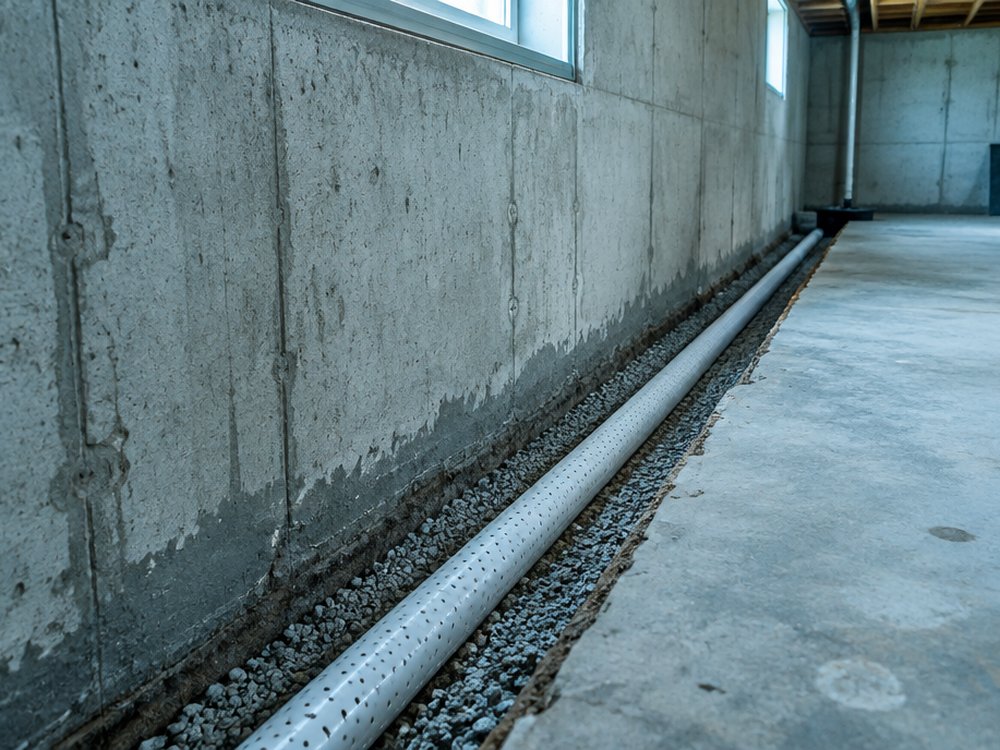
Basement Waterproofing Greenville keeps water out of homes across Greenville County and the Upstate, from Greer and Taylors to Simpsonville, Easley, and Travelers Rest. We install interior drainage systems, exterior waterproofing membranes, French drains, and sump pumps, and we seal foundation walls that have started to leak. Every job starts with a free on-site inspection, so you pay to fix the actual problem and not a guess.
Most homes in the Upstate are built over a crawl space or slab rather than a full basement, with a smaller number of true walkout basements on the sloped lots. Water still finds its way into all of them. With about 50 inches of rain a year, slow-draining red clay, and yards that pitch toward the house, the real question is not whether water shows up, but where it goes once it does. We trace the water path and stop it at the source, whether that means a crawl space, a slab, or a basement.
Water damage rarely announces itself. These are the early warnings we see most often in Upstate homes, and the sooner they are addressed, the smaller the repair.
Puddles, damp spots, or a wet ring along the floor after a storm mean water is getting through your walls or slab. It almost never stops on its own.
A damp, earthy smell is moisture evaporating into your air. It usually signals standing water or saturated ground under or beside the home.
That powdery film, called efflorescence, is mineral salt left behind as water passes through concrete or block. It marks an active path for moisture.
Hairline to stair-step cracks let water in and can point to pressure from saturated clay pushing against the foundation.
Dark spotting on walls, joists, or stored items means humidity is high enough to feed mold, which thrives in untreated crawl spaces and basements.
Walls that lean inward or floors that sag overhead are signs water-saturated soil is loading your foundation and the structure is moving.
From a single leaking crack to a full interior drainage system, we handle every way water gets into an Upstate home. These are the five services we install most.
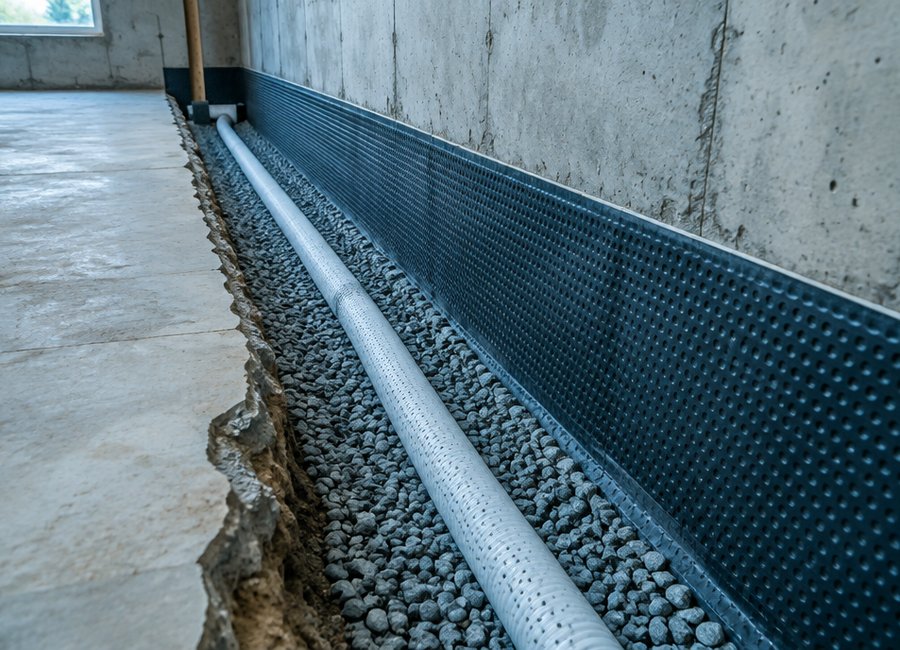
An interior system manages water that is already finding its way in, with the least disruption to your yard. We cut a channel along the inside footing, set perforated drain pipe in gravel, and route everything to a sump pump, then seal the walls with a heavy vapor barrier. No exterior excavation, no tearing up landscaping.
This is often the right first move for Greenville crawl spaces and basements sitting on slow-draining red clay, where water pressure builds against the walls after every heavy rain. Paired with a sump pump and wall barrier, it turns a damp, musty space into a dry one you can actually use for storage or living.
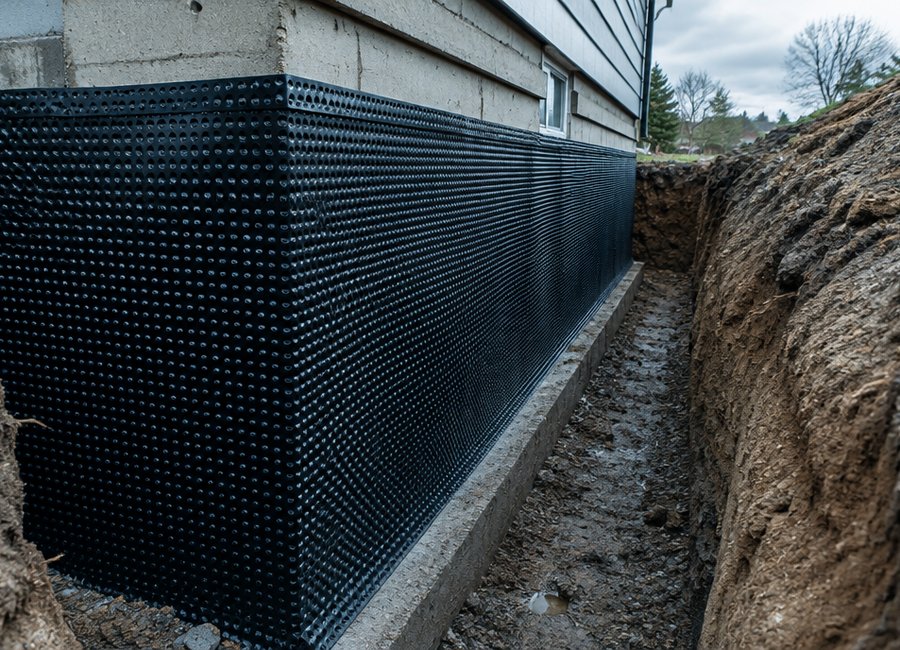
Exterior waterproofing stops water before it ever touches your foundation. We excavate down to the footing, clean and repair the wall, apply a waterproof membrane, add a footing drain, and backfill with proper drainage stone. It is the most thorough way to keep a wall dry from the outside in.
It is the strongest choice when a wall is actively leaking from outside, during major landscaping, or on new construction. Greenville's sloped foothill lots make it especially effective, because correcting the grade and adding exterior drainage sends water downhill and away instead of letting it collect against the house.
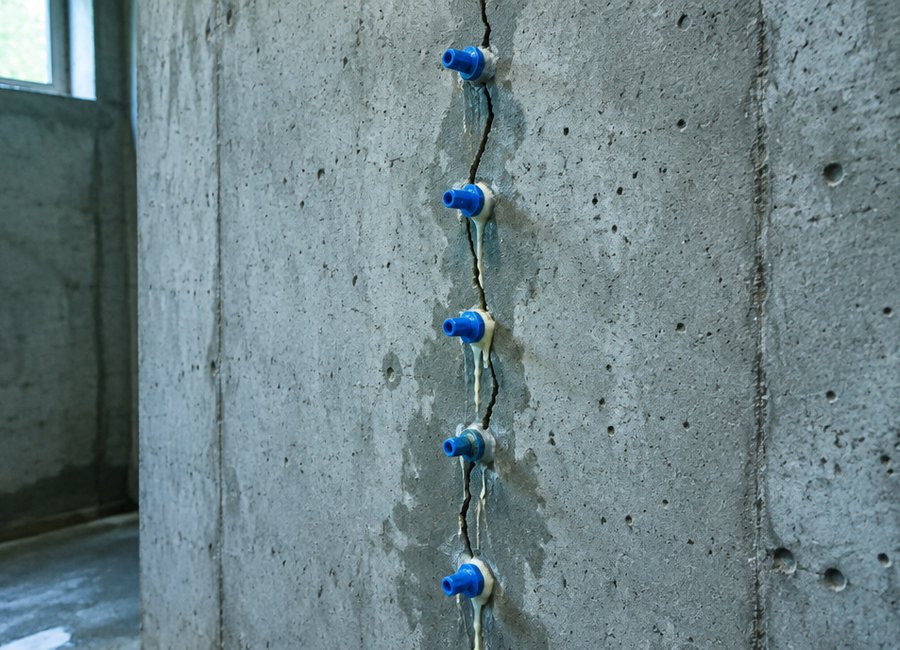
Foundation waterproofing seals and reinforces the structure itself. We inject leaking cracks with epoxy or polyurethane, coat and patch block and poured walls, and close the gaps where pipes and utilities pass through. These are the exact points where water sneaks in unnoticed.
Foundation cracks are the most common entry point we find in Upstate homes, because red clay swells when wet and shrinks when dry, flexing the walls season after season. Sealing a crack keeps water out and stops it from widening, and it is often combined with interior drainage for complete protection.
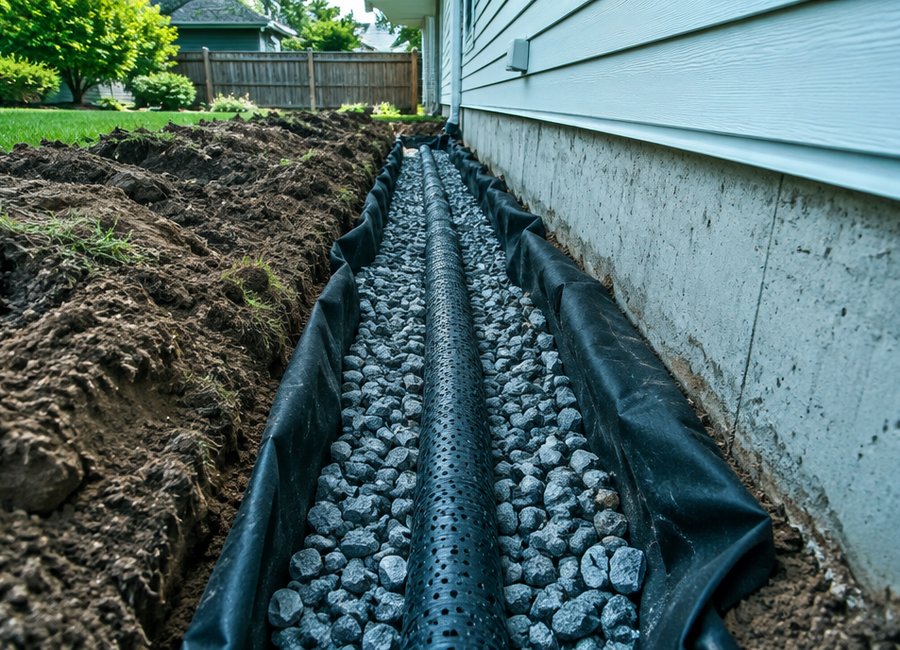
A French drain is a gravel-filled trench with perforated pipe that intercepts water and carries it away from your foundation, either under the slab inside or out in the yard. We also handle surface drainage, downspout extensions, and regrading so roof and rain water leave the house instead of pooling against it.
With about 50 inches of rain a year, yards that pitch toward the home, and clay that drains slowly, standing water against the foundation is the root of most wet basements and crawl spaces here. A properly pitched French drain to daylight or a sump is the single most effective fix for a yard or crawl space that will not dry out.
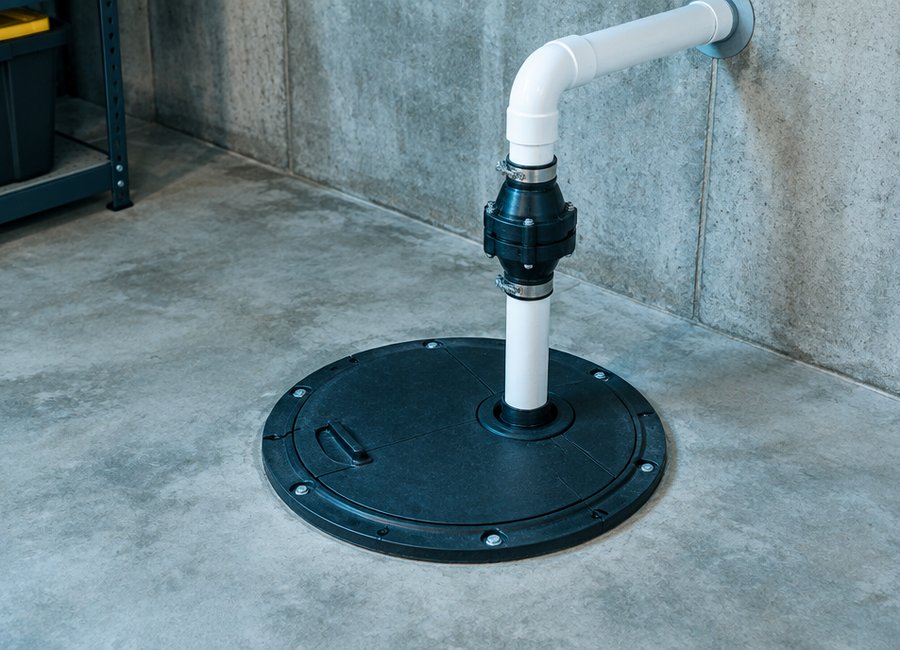
A sump pump is the engine of an interior waterproofing system. Water from your drains collects in a sump pit, and the pump ejects it away from the home through a check valve and discharge line. We install the basin, size the pump to your water volume, and add a battery backup for storms.
A backup matters here, because the heavy rain that floods a basement is often the same storm that knocks out the power. Where the lot is too flat or the basement too deep to drain by gravity to daylight, a properly installed and backed-up sump pump is what keeps the space dry.
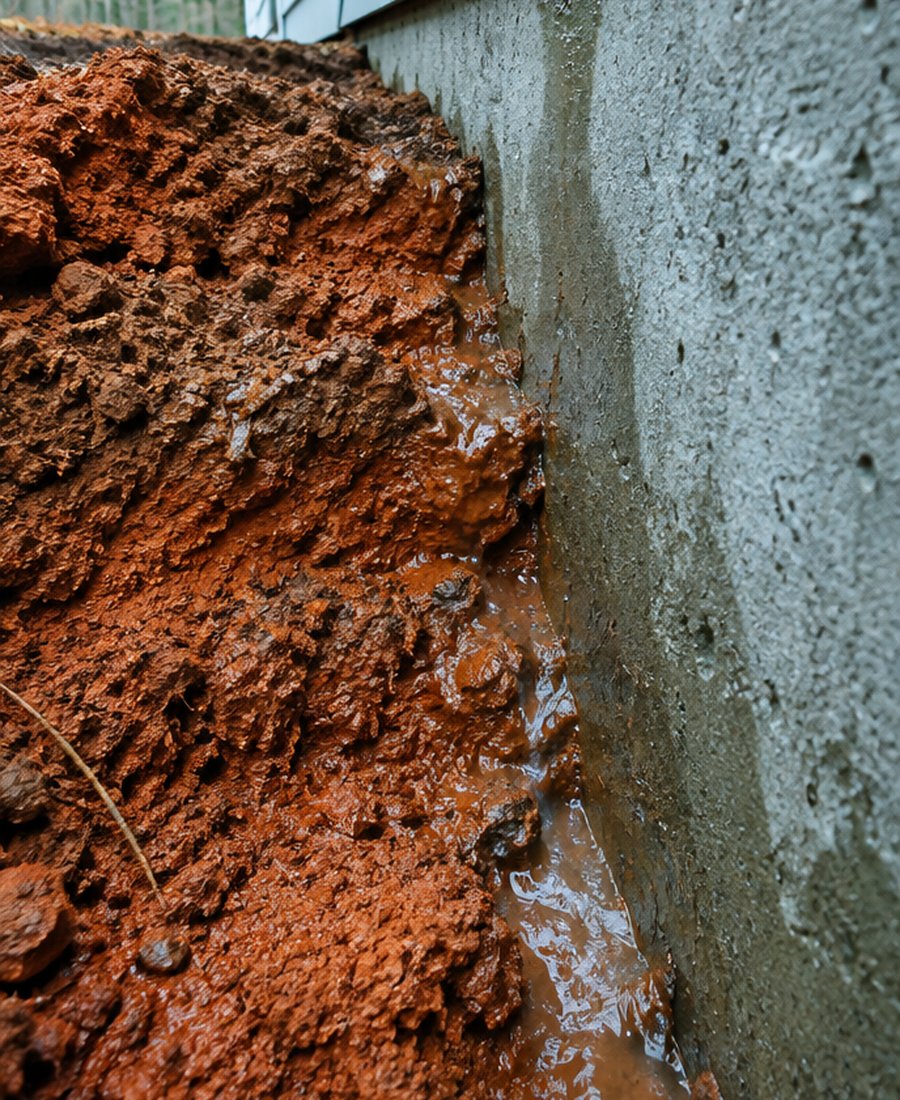
If your crawl space smells musty, your basement floods after a storm, or there is always a damp corner that never dries, it is not bad luck. Greenville sits on a specific mix of soil, rain, and terrain that pushes water toward your home, and once you know the cause, the fix is straightforward. Here is what is really going on under your house.
The Upstate sits on heavy red Piedmont clay, the Cecil soil you see in every cut bank. It drains slowly, swells when wet, and shrinks when dry. That cycle presses against your foundation and keeps the soil beside the house saturated, which is why a crawl space or basement stays damp long after the rain stops.
Greenville averages about 50 inches of rain a year, more than Seattle, and the foothill terrain sends surface water straight toward houses. Roofs without gutter extensions and lots that pitch toward the foundation do the rest. The good news: this is surface water, not a deep water table, so it is very fixable with drainage and grading.
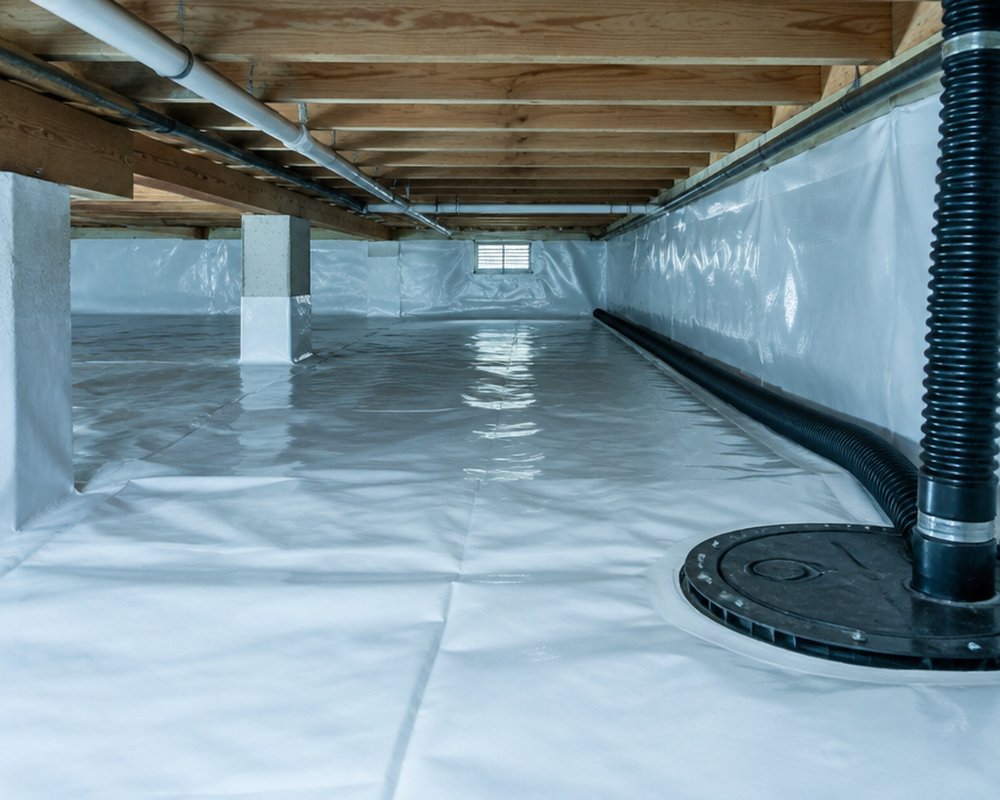
Most homes here are built over a crawl space or slab rather than a full basement, and many of those crawl spaces never got a proper vapor barrier, or it has long since torn. Bare ground breathes moisture straight up into the house, rotting wood and feeding mold. Sealing it, called encapsulation, is usually the single biggest improvement.
Because the water here comes from clay, surface runoff, and open crawl spaces, the correct system is almost always drainage, a sump, a sealed vapor barrier, and better grading, not a tear-out basement wall job that costs far more. Matching the fix to the actual cause is how you stay dry without paying for a system your home does not need.
Every home is a little different, which is why we start with a free on-site inspection. We find exactly where your water comes from, show you the cause, and price the system that solves it. No scare tactics, no upsell to a fix you don't need.
A dry home comes from diagnosing the water path, not guessing. Here is how a project goes from first call to a space that stays dry.
We walk the property inside and out, find where water enters and where it comes from, and identify whether you have a crawl space, slab, or basement issue. You get a clear diagnosis, not a sales pitch.
We lay out the exact system your home needs, interior or exterior drainage, French drain, sealing, sump, or a combination, with a written estimate and no pressure to decide on the spot.
Our crews install to spec: proper slope on drains, quality membranes and vapor barriers, a correctly sized sump with backup, and the site left clean. Work is done to current residential code.
We test the system, walk you through it, and stand behind the work with a transferable warranty so the protection carries to the next owner if you sell.
A dry home is not about the biggest system. It is about the right one, installed by people who know the Upstate.
Every job starts with a free inspection to find where your water actually comes from. You get a real diagnosis and a price for the fix you need, never a number pulled out of the air.
We match the system to the cause. If drainage and a sump will keep you dry, we will not sell you a tear-out basement job that costs three times as much.
We work on Greenville's red clay, crawl-space, and foothill homes every week. You get a crew that knows this ground, not a national franchise reading from a script.
Our work comes with a written, transferable warranty, so a dry home stays an asset you can hand to the next owner if you sell.
Most companies here will not put a number on their website. We will. These are real 2026 Upstate ranges so you can budget before anyone steps on your property.
Interior drain, wall vapor barrier, and a sump pump for a dry crawl space or basement.
Full excavation, waterproof membrane, and footing drain to stop water from the outside in.
Targeted drainage, a French drain to daylight, or a sump pump with battery backup.
Where you land depends on how much wall needs protection (we price drainage by the linear foot), the depth and access of the space, whether cracks need sealing (usually $250 to $800 each), and whether you add a battery backup or dehumidifier. Your free inspection turns these ranges into one fixed, written price.
Ranges are planning estimates from 2026 Upstate project costs, not quotes. Every home is different, and your exact price comes from a free on-site inspection.
Slide through the options to see a ballpark range for your home. It uses the same 2026 Upstate rates our crews price from. Your exact number comes from a free inspection.
A planning estimate from 2026 Upstate cost data, not a quote. Every home is different, so your exact price comes from a free on-site inspection.
Get My Exact PriceStraight answers to what Greenville homeowners ask us most, from cost to crawl spaces to how long the work takes.
Most projects run from about $1,500 for a targeted drain or sump up to $12,000 or more for a full interior or exterior system. Where you land depends on how much wall needs protection, the depth and access of the space, and whether cracks or a vapor barrier are involved. We give you a fixed written price after a free inspection.
Most Greenville homes sit on a crawl space or slab, with true basements mostly on sloped, walkout lots. It matters because the fix is different: a crawl space usually needs encapsulation and drainage, while a basement may need wall sealing and an interior drain. We identify which you have during the inspection and price accordingly.
Three things, usually together: heavy red Piedmont clay that drains slowly and holds water against the foundation, about 50 inches of rain a year, and yards that slope toward the house. The water is almost always surface and shallow groundwater, which is good news because it is very fixable with drainage and grading.
Interior waterproofing manages water that is already getting in and is less disruptive and less expensive. Exterior waterproofing stops water before it reaches the wall and is the most thorough, but it means excavation. Many homes do well with interior drainage and a sump, and we recommend exterior only when the situation calls for it.
If water collects faster than it can drain away by gravity, yes. The sump pump is what moves that water out of the home. On flat lots or deep basements it is essential, and we always recommend a battery backup so a storm-time power outage does not flood the space.
Encapsulation means sealing the crawl space floor and walls with a heavy vapor barrier, often with a dehumidifier, so bare ground stops breathing moisture into your home. If your crawl space is damp, musty, or has a torn or missing barrier, it is usually the single biggest improvement you can make.
Most interior drainage, sump, and encapsulation jobs are completed in one to three days. Exterior waterproofing takes longer because of the excavation involved. You get a clear timeline with your written estimate.
Yes. Musty odors are moisture evaporating into your air, so once we stop the water at its source and seal the space, the smell and the humidity drop. Pairing drainage with a vapor barrier and a dehumidifier keeps it that way.
Yes. Our waterproofing work comes with a written, transferable warranty, so the protection carries to the next owner if you sell. We stand behind the system and walk you through exactly how it works before we leave.
Every inspection is free and comes with no pressure. We serve Greenville and the surrounding Upstate, and in most cases we can be out within a few days. Call (855) 473-5280 and we will set up a time.
We serve homeowners throughout Greenville County and the surrounding Upstate. If you do not see your town listed, call us, chances are we cover it.